Turning on a faucet should give you a steady stream of water. When the flow becomes weak, everyday tasks such as taking a shower, washing dishes, or filling a bucket can take much longer than usual.
Low water pressure can start suddenly or develop slowly over time. Sometimes, the cause is as simple as a clogged faucet aerator. In other cases, the problem may come from a partially closed valve, a damaged supply line, or an issue with the local water supply.
The first step is to find out whether the problem affects one faucet or several fixtures throughout the house. This small check can help you narrow down the possible causes before spending money on repairs.
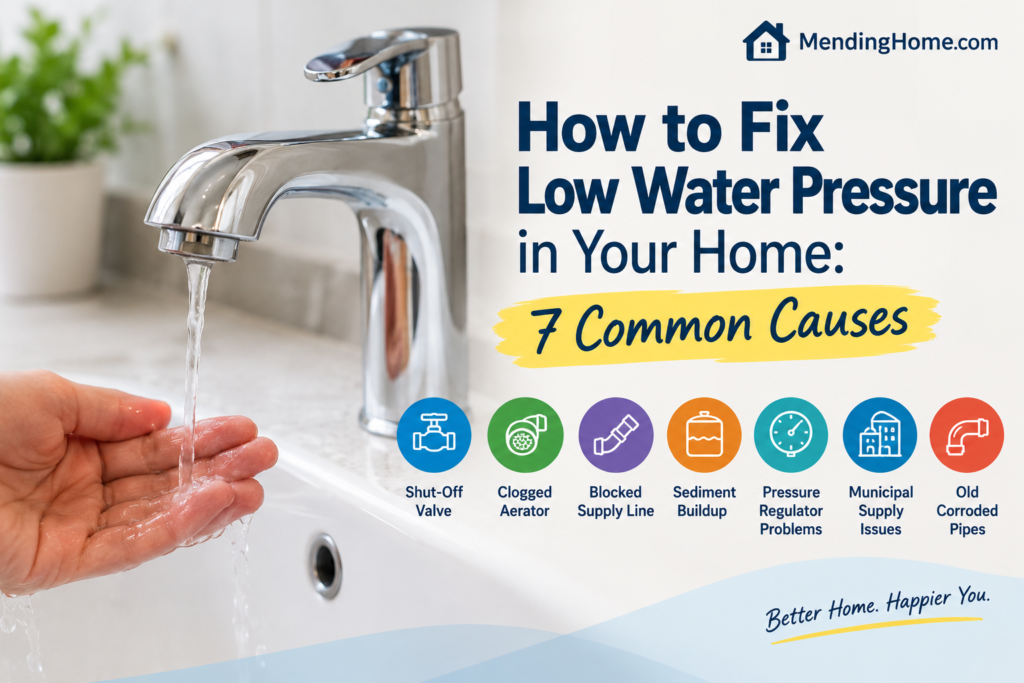
Below, we explain seven common reasons for low water pressure, how to check for each problem, and when professional plumbing help may be necessary.
1. Closed Shut-Off Valve
A shut-off valve controls the water flowing through a pipe. Most homes have a main valve that controls the water entering the property. Smaller valves may also be installed beneath sinks, behind toilets, and near appliances.
If a valve is partly closed, it can restrict the water reaching a fixture. This may happen after plumbing maintenance, a repair, or an accidental turn of the handle.
A problem with the main valve can affect several fixtures, while a closed valve beneath a sink will usually affect only that sink.
How to Fix It
Start by checking the affected fixture. Look underneath the sink or behind the toilet for a shut-off valve and check whether it is fully open.
If the problem affects the whole house, inspect the main shut-off valve if it is safely accessible. The correct opening direction depends on the valve design, so follow its markings or manufacturer instructions.
Do not force a valve that feels stuck, looks badly corroded, or begins to leak when moved. An old valve may need professional attention.
Once you have checked the valve, turn on the faucet and see whether the flow improves. If the water pressure remains low, another part of the plumbing system may be responsible.
2. Clogged Aerator
Have you noticed that one faucet produces a weak stream while the others work normally? A clogged aerator could be the reason.
An aerator is the small attachment at the end of many kitchen and bathroom faucets. It contains a screen that helps create a smooth stream of water. Over time, tiny particles, rust, and mineral deposits can collect inside it.
The opening becomes partially blocked, reducing the amount of water that passes through the faucet.
How to Fix It
Turn off the faucet and carefully remove the aerator. If it is difficult to loosen, use a suitable tool and protect the faucet’s finish with a soft cloth.
Pay attention to how the small parts fit together so you can reinstall them correctly.
Rinse the screen under clean water and use a soft brush to remove loose debris. If mineral deposits remain, soak compatible removable parts in white vinegar, following the manufacturer’s guidance.
Rinse the parts thoroughly, reassemble the aerator, and attach it securely without overtightening.
Turn on the faucet and check the stream. If the flow is still weak, the blockage may be inside the faucet or supply line.
3. Blocked Supply Line
A supply line carries water from the plumbing system to a faucet, toilet, washing machine, or another fixture.
These lines can become restricted by debris or mineral deposits. Flexible hoses can also become bent or squeezed when items are pushed against them. A damaged connector or faulty valve may create a similar problem.
The location of the problem often provides a useful clue. If one fixture has weak flow and the rest of the house works normally, its supply line or local valve deserves attention.
How to Fix It
Look at any visible supply hose connected to the affected fixture. Check for sharp bends, crushing, damage, or signs of leakage.
If a flexible hose is kinked, correct its position only if you can do so safely without disturbing the connections. Replace a damaged or leaking hose with a suitable part.
Internal blockages may require the line to be disconnected and inspected. Turn off the water before any plumbing work, and avoid attempting repairs if you are unfamiliar with the fittings.
After a repair, check the connections carefully for leaks. If the line appears normal but the flow remains weak, a plumber can determine whether the valve, pipe, or fixture is restricted.
4. Sediment Buildup
Sediment can enter a home’s plumbing system through the water supply or develop from corrosion and mineral deposits. Small particles may collect in faucet screens, filters, valves, and other narrow openings.
Over time, this buildup can reduce water flow. Homes that receive water from storage tanks may also experience sediment problems if dirt collects inside the tank or enters the distribution system.
A separate issue can occur inside a storage water heater. Mineral sediment may settle at the bottom of the tank and affect its operation, although this does not automatically explain low pressure at every faucet.
How to Fix It
Begin with the simplest checks. Clean clogged faucet aerators and inspect accessible filters according to their manufacturer’s instructions.
If you notice sediment in water coming from several fixtures, consider whether the problem began after a water supply interruption or plumbing repair. Contact your water supplier if you suspect debris is entering from the municipal system.
If only the hot water has a problem, have the water heater and hot-water plumbing inspected.
Do not open a pressurized system or flush a water heater unless you understand the correct procedure and safety requirements. A qualified professional can identify the source of the sediment and recommend appropriate maintenance.
Repeated sediment problems may require an inspection of the water tank, filters, or incoming supply.
5. Pressure Regulator Problems
Some homes have a pressure-reducing valve, commonly called a pressure regulator. This device reduces incoming water pressure to a suitable level for the home’s plumbing system.
When the regulator becomes worn or develops a fault, it may restrict water flow or cause pressure to change unexpectedly. A faulty regulator is one possible explanation when several fixtures have low pressure.
However, weak flow alone is not enough to confirm that the regulator is the problem.
How to Fix It
A water pressure gauge can help establish whether the system pressure is within the appropriate range. The gauge must be connected to a suitable outlet or test point.
Many residential systems operate around 40–60 psi, but the correct range depends on the building, local requirements, and plumbing equipment. Your home’s recommended pressure may be different.
If the measured pressure is unusually low, a plumber can investigate the incoming supply, shut-off valve, regulator, and other possible restrictions.
A faulty regulator may need adjustment or replacement. Avoid changing its settings without knowing the correct target pressure. Excessive pressure can damage plumbing connections, appliances, and fixtures.
A proper diagnosis is better than replacing the regulator based on symptoms alone.
6. Municipal Supply Issues
Low water pressure does not always originate inside your home. The municipal water supply may be affected by maintenance work, a water main leak, equipment failure, high demand, or a temporary service interruption.
In areas where water is supplied intermittently, pressure may also vary with the supply schedule.
A useful clue is whether nearby homes are experiencing the same problem. If several neighbors have weak water flow at the same time, the issue may be outside your property.
How to Fix It
Ask your neighbors whether they have noticed a change in water pressure. If they report the same issue, check official notices from your water supplier or municipal authority.
Contact the relevant provider to report the problem and ask whether maintenance or a supply interruption has been reported in your area.
If your home uses a storage tank or water pump, check whether the tank contains enough water and whether the equipment appears to be operating normally.
Never operate a pump without an adequate water supply or ignore unusual noises, overheating, or repeated shutdowns.
If neighboring properties have normal pressure, arrange an inspection of your home’s incoming water line, valves, tank, and pump. This can help determine whether the problem is limited to your plumbing system.
7. Old Corroded Pipes
Older metal pipes can corrode internally over time. Rust, mineral deposits, and other buildup may gradually reduce the space available for water to flow through the pipe.
This can contribute to weak water flow at several fixtures, particularly when multiple taps are being used at once.
Other warning signs may include recurring leaks, visible corrosion, or rusty and discolored water. However, these symptoms can have other causes, so they should be investigated rather than treated as proof of pipe corrosion.
How to Fix It
Check any exposed pipes for visible rust, damaged fittings, or signs of leakage. Avoid scraping or striking corroded pipes because weakened metal can break or begin leaking.
If you suspect internal corrosion, ask a plumber to inspect the plumbing system and assess the condition of the pipes.
Depending on the findings, the solution may involve replacing a restricted section of pipe or updating more of the plumbing system.
If several sections are badly deteriorated, replacing just one short section may not resolve every problem. Ask the plumber to explain the findings, available repair options, and estimated costs before agreeing to major work.
Addressing deteriorated pipes early may help prevent leaks and further damage to your home.
How to Diagnose Low Water Pressure
Before arranging repairs, try to identify where and when the problem occurs. You do not need special equipment for the first few checks.
Check More Than One Faucet
Turn on the kitchen faucet, bathroom faucet, and shower separately. If one fixture has weak flow, focus on its aerator, valve, and supply line.
If several fixtures are affected, investigate the main valve, incoming supply, pressure regulator, or other shared plumbing components.
Compare Hot and Cold Water
Check hot and cold water separately at the same faucet.
If cold water flows normally but hot water is weak, the problem may be related to the hot-water system or its pipes. If both are affected, look for a cause that could restrict both supplies.
Check the Timing
Notice whether the pressure drops at particular times of day or after a water supply interruption. Ask neighbors whether they have experienced the same issue.
These details can help distinguish a local plumbing problem from a wider supply issue.
Inspect Accessible Plumbing
Look for partially closed valves, bent supply hoses, damaged fittings, and visible leaks. Do not force stuck valves or dismantle pressurized plumbing equipment.
Measure the Pressure if Needed
A suitable water pressure gauge can provide a useful reading at an appropriate connection. Remember that pressure and flow are different measurements: a gauge measures pressure, while a simple container-and-timer test can help compare how quickly water flows.
If you cannot identify the cause, a plumber can measure the system pressure and inspect the plumbing to find the restriction.
When to Call a Plumber
Some low-pressure problems can be resolved by cleaning an aerator or checking an accessible valve. Others require professional testing and repair.
Contact a plumber if:
- Water pressure suddenly drops throughout the house and the cause is unclear.
- You find leaking pipes, damp walls, wet ceilings, or unexplained water damage.
- Several fixtures have persistently weak flow despite basic checks.
- Water repeatedly appears rusty or unusually discolored.
- You suspect corroded pipes or a damaged pressure regulator.
- Your water pump makes unusual noises or repeatedly stops working.
- A supply line, valve, or pipe needs replacement.
If you suspect a major leak, turn off the main water supply if it is safe to do so. If water is near electrical equipment, stay clear of the affected area and seek appropriate professional assistance.
Explain which fixtures are affected, whether hot or cold water is involved, and when the problem started. These details can help the plumber narrow down the cause.
Frequently Asked Questions
1. What Is the Most Common Cause of Low Water Pressure?
Common causes include clogged faucet aerators, partially closed valves, and problems with the incoming water supply. If only one faucet is affected, start by checking that fixture. If the entire home is affected, investigate the shared supply and plumbing components.
2. Why Is My Water Pressure Suddenly Low?
A sudden drop may be caused by a municipal supply interruption, a leaking pipe, a valve problem, or a fault in the pressure regulator. Check several fixtures and ask your neighbors whether they have noticed the same change.
3. Can a Clogged Pipe Cause Low Water Pressure?
Yes. Sediment, mineral deposits, corrosion, or debris can restrict water flow through pipes and fittings. A plumber can inspect the system and determine whether a blockage is responsible.
4. How Much Does It Cost to Fix Low Water Pressure?
The cost depends on the cause, required parts, local labor rates, and the amount of work involved. Cleaning an aerator is usually inexpensive, while replacing a pressure regulator or corroded pipes can cost considerably more. Ask for a written estimate before approving major repairs.
Final Thoughts
Low water pressure can be frustrating, but the cause is not always difficult to find. A clogged aerator, a partially closed valve, or a bent supply hose may be responsible for weak water flow at a single fixture.
Start by checking several faucets, comparing hot and cold water, and looking for visible problems. If nearby homes are affected too, contact your water supplier before arranging unnecessary plumbing repairs.
When basic checks do not solve the problem, sediment buildup, a faulty pressure regulator, or deteriorating pipes may need professional attention.
Pay attention to sudden changes, recurring leaks, and discolored water. Identifying the cause early can help prevent further damage and avoid replacing parts that are still working properly.
The best solution starts with a careful diagnosis. Once you know where the problem originates, you can choose the right repair and restore reliable water flow throughout your home.
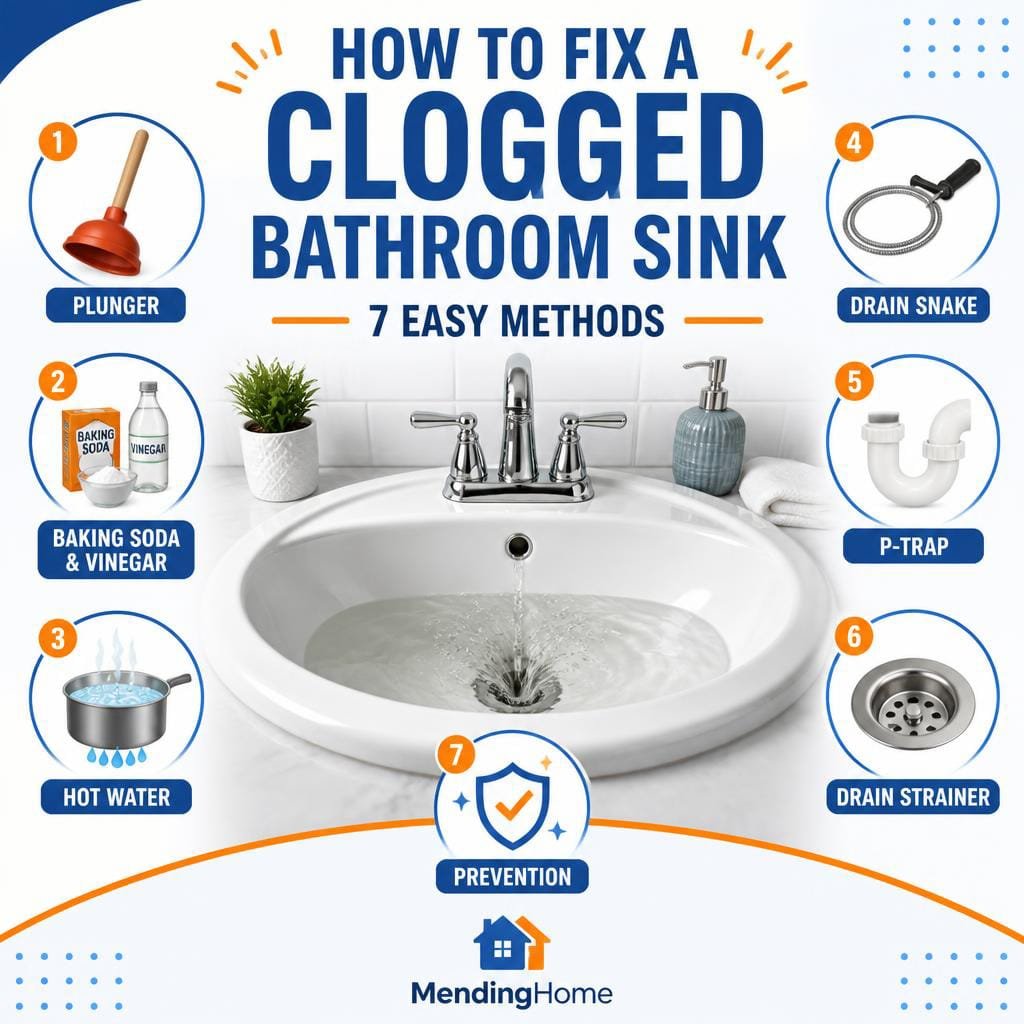
If your sink is also draining slowly, check out our guide on how fix a clogged bathroom sink